The Emergency Declaration Was the Easy Part. Spend the Borrowed Time.
The September erosion emergency bought Laguna Beach speed, tools and a shot at reimbursement. An editorial on why the city must now buy durable answers, not applause.
The views expressed in this editorial are the author's own.
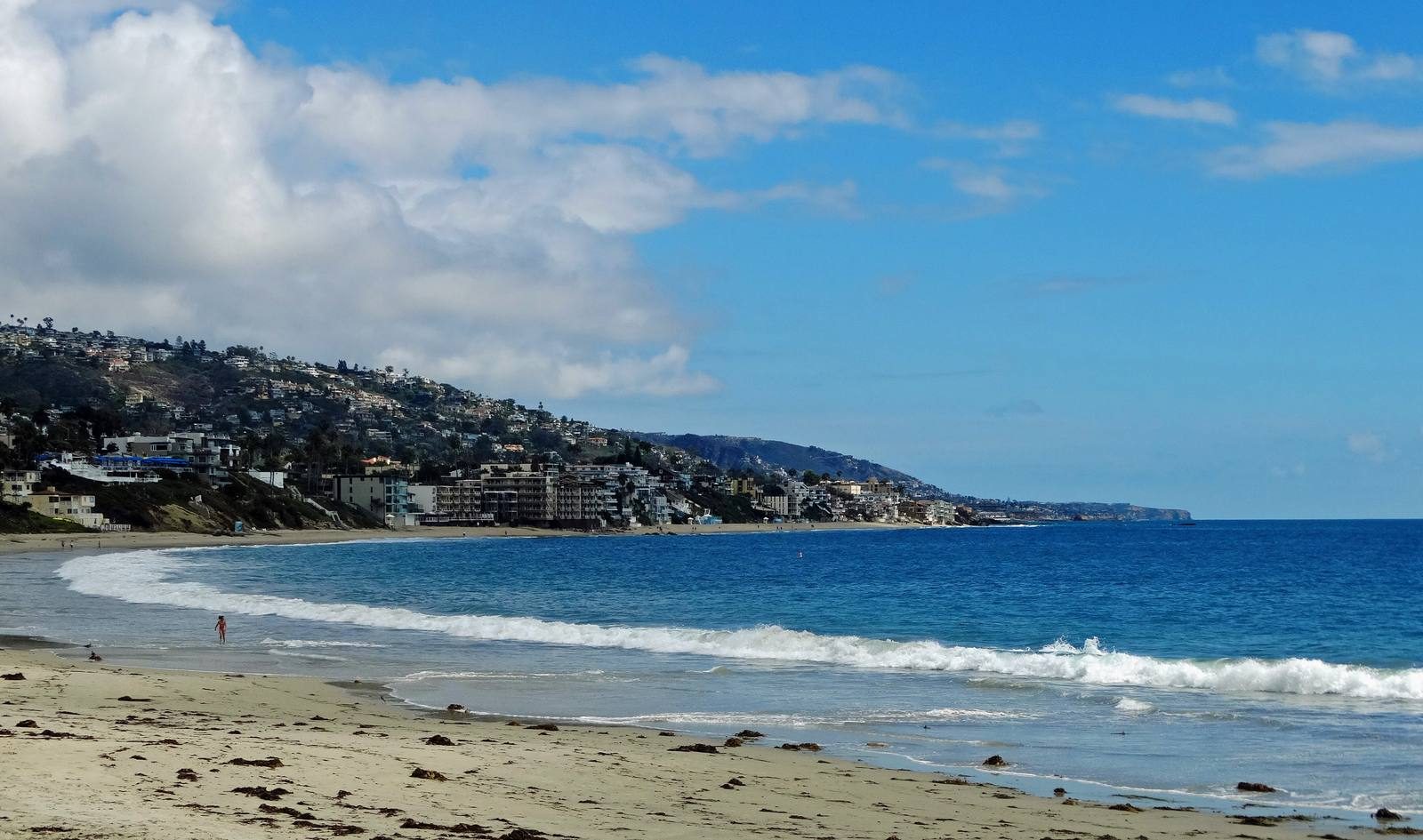
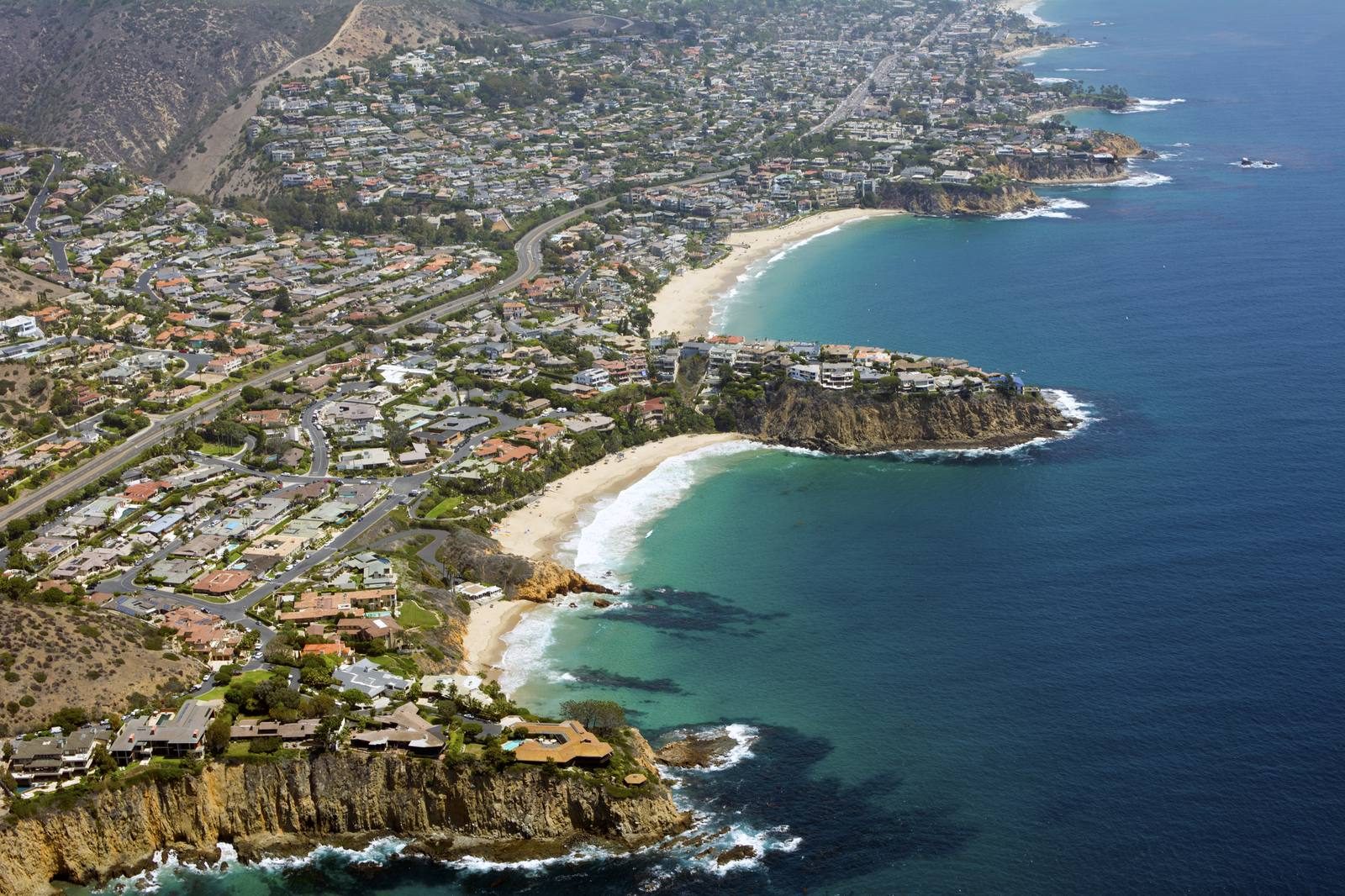
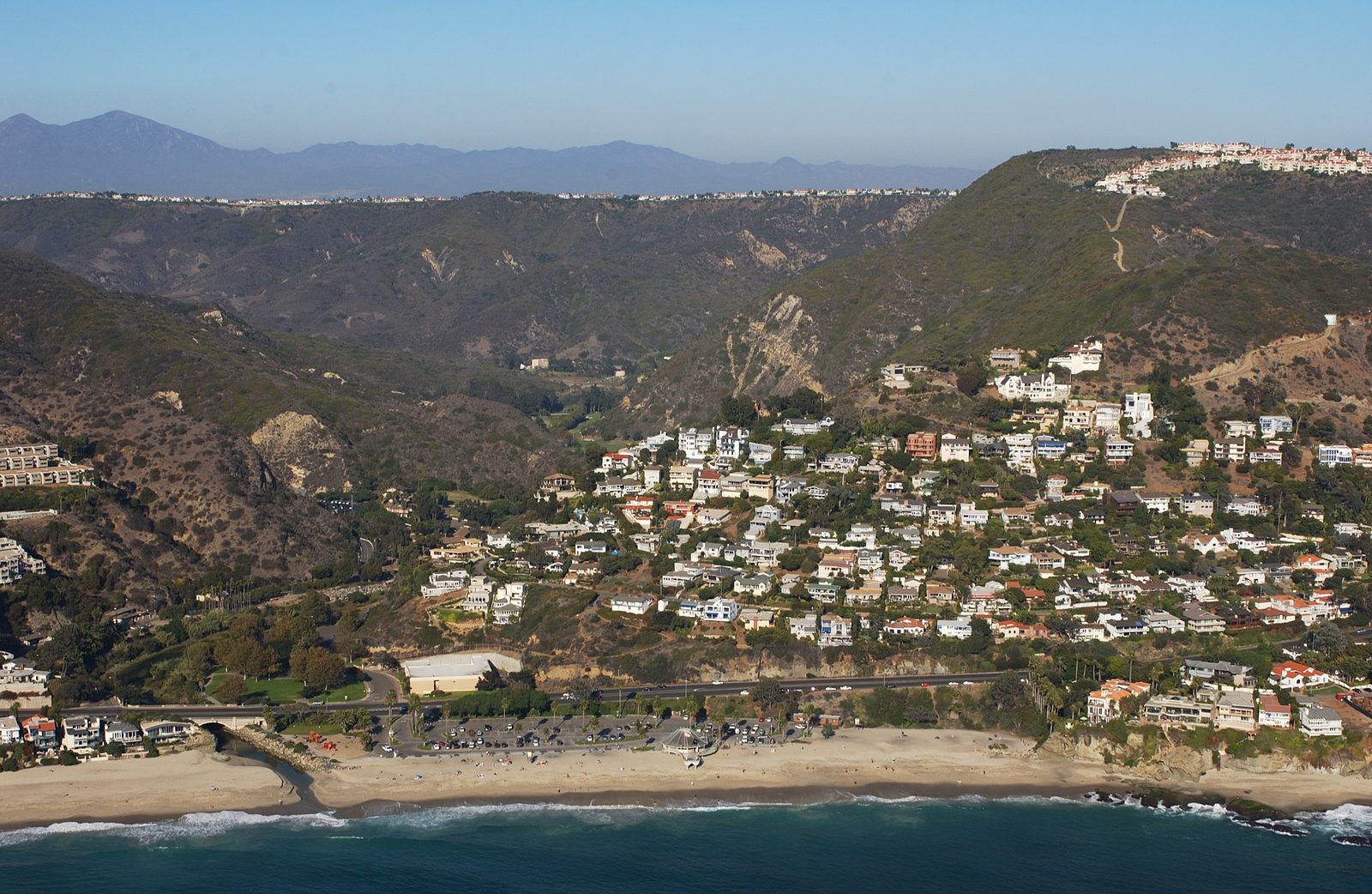
On Sept. 10, City Manager Dave Kiff, acting as the city's Director of Emergency Services, proclaimed a local emergency over coastal erosion and sand loss caused by swell from Hurricane Marie. The swell began Sept. 2 and, as the city put it, the erosion is still ongoing. Six oceanfront homes on Ocean Way and Lagunita Drive were yellow-tagged for compromised sea walls. The Aliso Beach parking lot partially failed. The south end of Lagunita Beach, Pearl Street Beach, the footpath at Christmas Cove and the Aliso Beach parking lot were temporarily closed. The council then ratified the emergency, as this paper reported.
The proclamation was the right call, and this board said so at the time. It lets the city move immediately on emergency shoreline protection, sand placement, debris removal, assessments and repairs without the delay of ordinary contracting procedures. As Kiff put it: "Most of us have never seen this much sand leave our beaches at once. We expect it to come back, but we are not counting on it, and with a very strong El Niño forecast we need the ability to act quickly to protect homes, beaches and public infrastructure." Emergency declarations are also how cities position themselves for state and federal disaster assistance. Speed, tools and a shot at reimbursement: that is what the declaration bought.

Now comes the editorial board's point: a declaration is a tool, not a trophy. Borrowed time has to be spent, and the clock is already running. NOAA's Climate Prediction Center puts the chance of a very strong El Niño this fall and winter above 90 percent, with a 75 percent chance of a historic event exceeding anything since 1950. A U.S. Geological Survey geologist told NBC Los Angeles that the North Pacific storms expected this winter will likely hit different beaches than the summer swell did. The next round may not strike where the last one did, which means readiness cannot be a replay of September.
Three durable answers should be on the table before the winter storms arrive. First, a real sand-replenishment strategy, with funding and permitting lined up, instead of hoping the sand comes back on its own. Second, a coherent seawall policy for the next yellow-tagged home, because six compromised sea walls on Ocean Way and Lagunita Drive are a preview, not an anomaly. Third, an El Niño readiness plan for public infrastructure, starting with the partially failed Aliso Beach parking lot and the closed beach accesses, that does not depend on emergency powers to function.
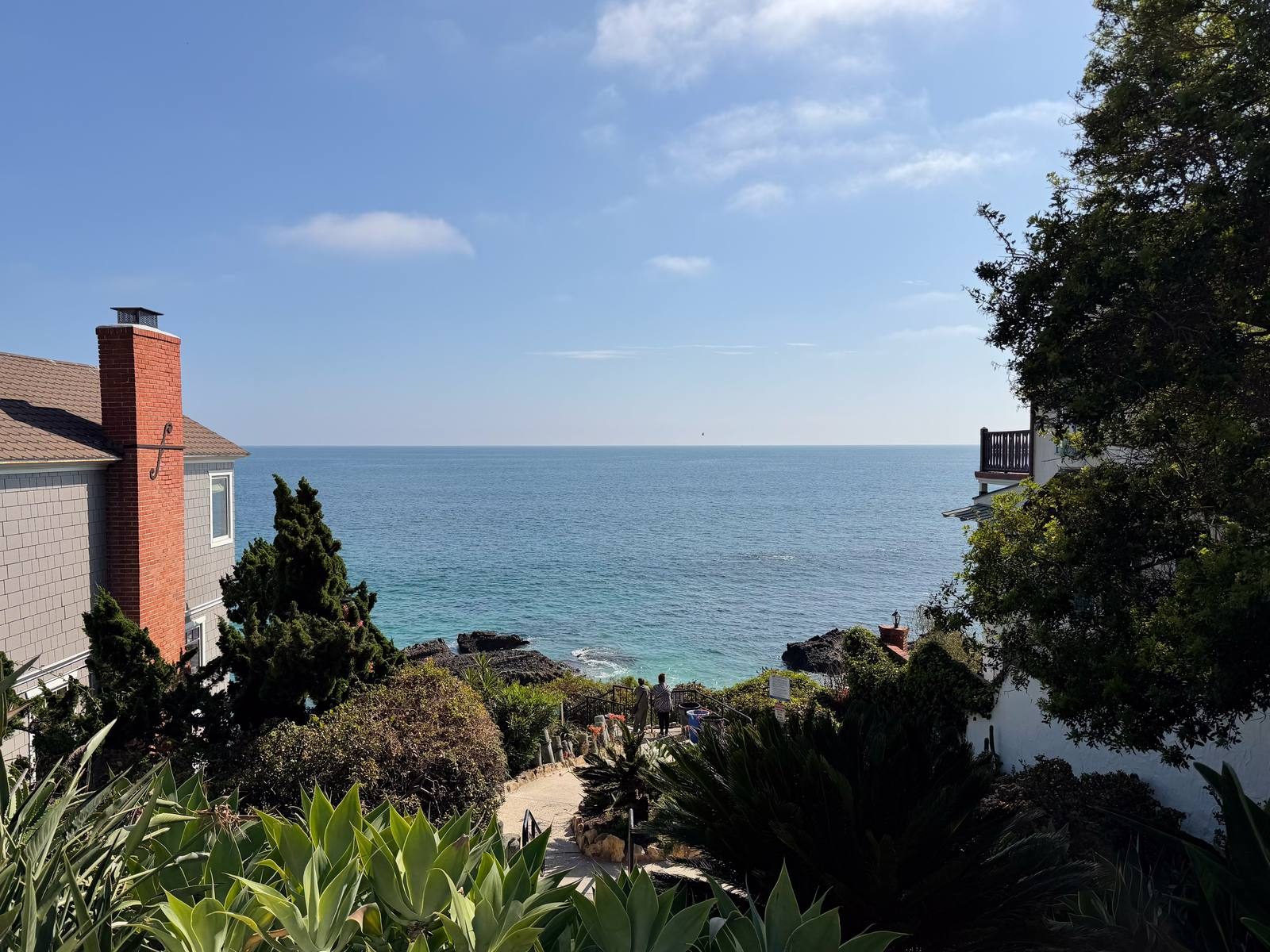
None of this diminishes the September response. Acting fast when the sand leaves is exactly what emergency government is for. But emergencies are, by definition, temporary, and the erosion that prompted this one is not. The measure of the declaration will not be how quickly it was proclaimed or ratified. It will be whether, when the next swell arrives, Laguna Beach has answers that outlast the paperwork.
We correct errors promptly and note them here. Send corrections through our contact form (choose the Correction topic).