Inside the City's El Nino Winter Playbook: What the Emergency Proclamation Unlocks
Beyond the council vote, the Sept. 10 proclamation gives the city fast-contracting power for shoreline protection, sand placement and debris removal ahead of a forecast very strong El Nino.
The most important sentence in Laguna Beach's storm playbook is not about the weather. It's about contracting. The Sept. 10 local emergency proclamation signed by City Manager Dave Kiff, acting as Director of Emergency Services, allows the city to move immediately on emergency shoreline protection, sand placement, debris removal, assessments and repairs 'without the delay of ordinary contracting procedures.'
That authority is the operational core of the city's winter preparedness plan. With a very strong El Nino forecast for this fall and winter, the city has given itself the legal room to hire crews, move sand and clear debris on emergency timelines, before the storms arrive rather than after the damage does.
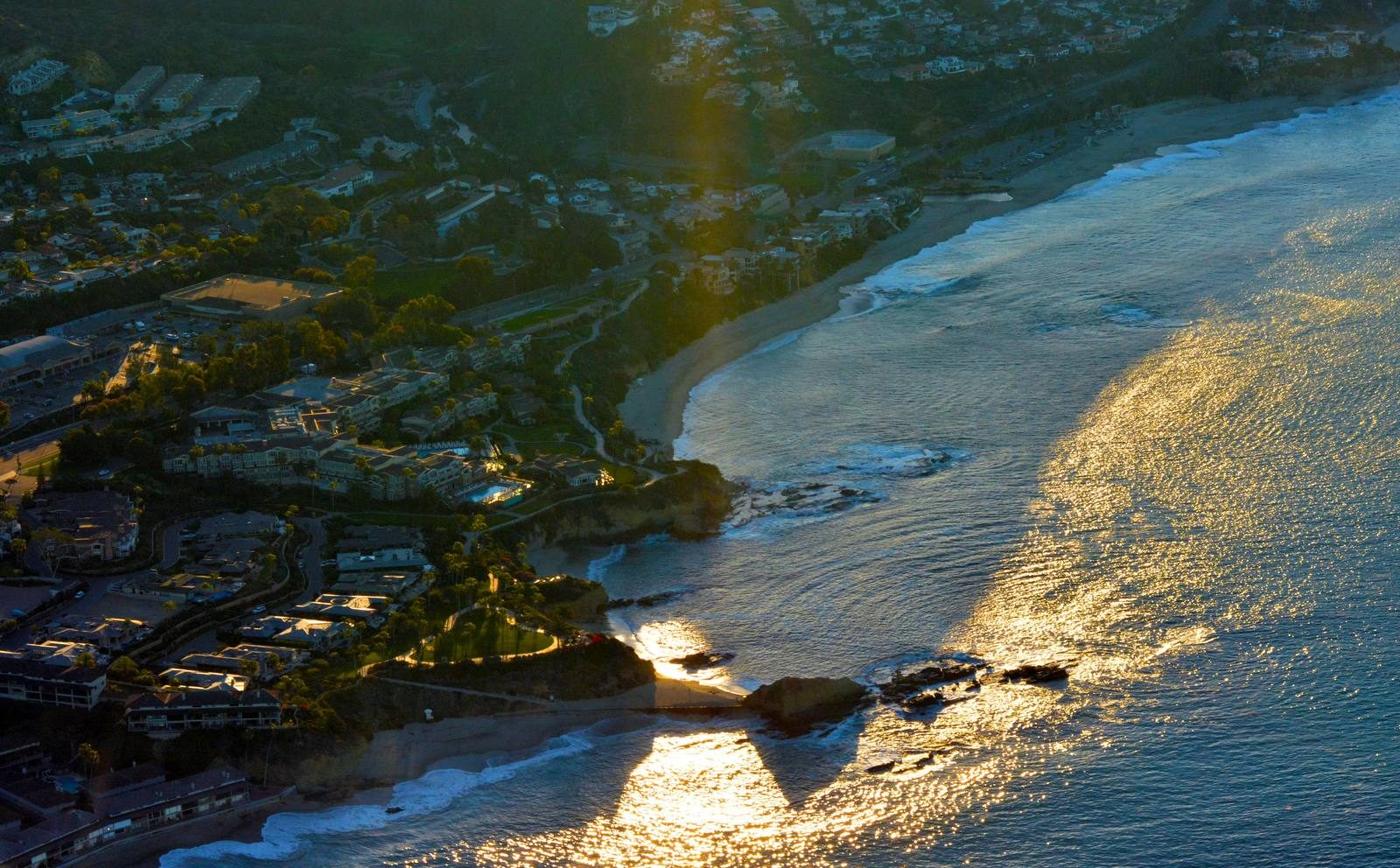
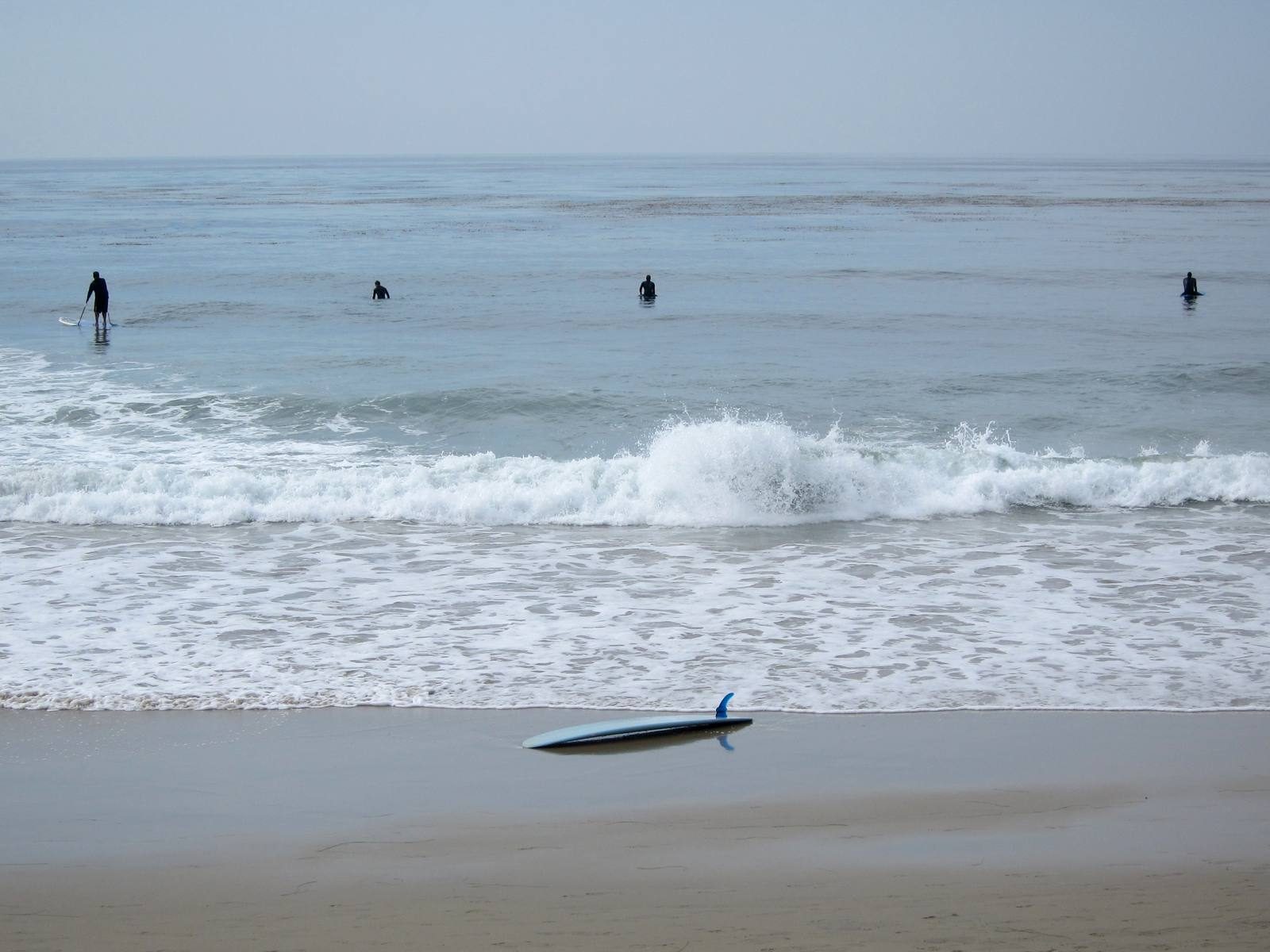
The proclamation was triggered by swell beginning September 2 from Hurricane Marie, which caused significant sand movement and erosion that was still ongoing when the emergency was declared. The city's damage inventory at the time: six oceanfront homes on Ocean Way and Lagunita Drive were yellow-tagged due to compromised sea walls, and the Aliso Beach parking lot had partially failed. Temporarily closed were the south end of Lagunita Beach, Pearl Street Beach, the footpath at Christmas Cove and the Aliso Beach parking lot.
'Most of us have never seen this much sand leave our beaches at once. We expect it to come back, but we are not counting on it, and with a very strong El Nino forecast we need the ability to act quickly to protect homes, beaches and public infrastructure,' Kiff said in the city's announcement.
The forecast behind the urgency is stark. NOAA's Climate Prediction Center projects a greater than 90 percent chance of a very strong El Nino this fall and winter, with above-normal rain likely along coastal California, raising the risk of further erosion before sand can return to city beaches. NOAA also sees a 75 percent chance of a historic event that would exceed the strength of previous El Nino events dating back to 1950.
The pattern adds a twist for Laguna's coast. The summer swell hammered the south-facing beaches, but the winter threat comes from a different direction. 'The summertime storms have been fairly excessive this year, which has impacted those beaches that are directed toward the south,' USGS geologist John Warrick told NBC Los Angeles. 'This coming winter, we're expecting the storms in the North Pacific to cause all the challenges. And so generally in El Nino, those storms off the North Pacific are larger than normal, and so, by all means, we most likely will be seeing different beaches impacted this winter than we're seeing this summer.'
For residents, the playbook translates into a simple expectation: repair and protection work will move fast and visibly in the weeks ahead, with the city empowered to place sand, shore up the coastline and clear debris as conditions change. The emergency declaration gives the city greater freedom to shore up its coastline and repair damage before the expected El Nino potentially brings another round of punishing conditions. The vulnerable spots are already named: the yellow-tagged homes along Ocean Way and Lagunita Drive, the failed parking lot at Aliso Beach and the closed stretches at Lagunita, Pearl Street and Christmas Cove. What happens next depends on the rain.
We correct errors promptly and note them here. Send corrections through our contact form (choose the Correction topic).