Laguna Beach's 2026 wildfire plan puts the first five feet on the front line
With 87 percent of city land in a very high fire hazard zone, the city's new Community Wildfire Protection Plan pairs brush-clearance inspections, goat-grazed fuel breaks, and the state's coming Zone 0 rules.
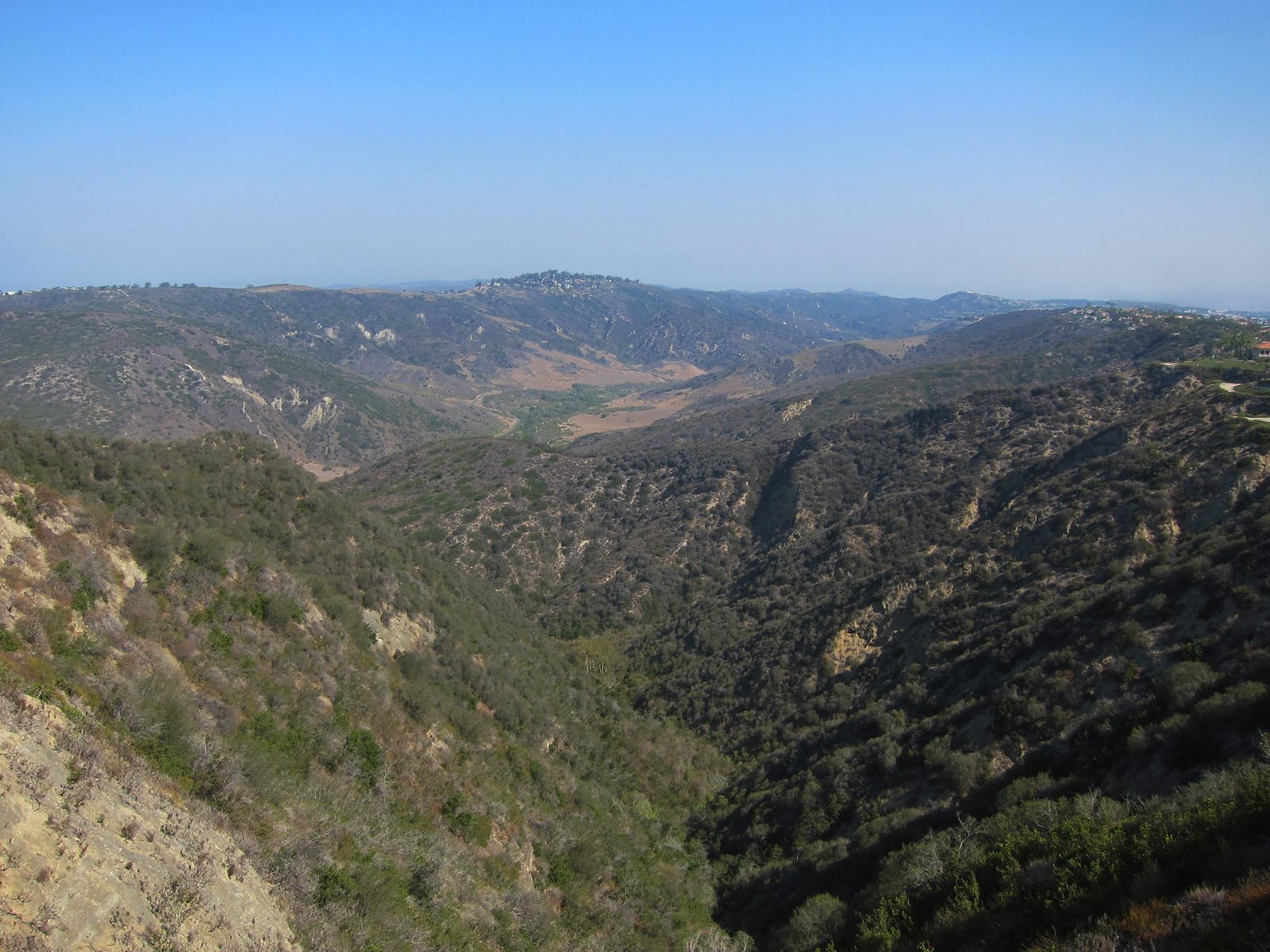
In Laguna Beach, wildfire is not a distant risk. The California Department of Forestry and Fire Protection places 87 percent of the city's land area in a Very High Fire Hazard Severity Zone, and about 65 percent of the city's buildable property sits inside that zone, according to the Laguna Beach Fire Department's wildfire mitigation page.
The city's answer for 2026 is a new Community Wildfire Protection Plan that bundles the department's prevention work into a single roadmap. The plan's defensible space requirements follow state law (Public Resources Code Section 4291), and the Fire Department's annual Brush Clearance Inspection Sweep, during which inspectors check properties for compliance, begins each year on May 1. Property owners who get a notice of noncompliance must fix the cited problems within the time stated in the notice.
Defensible space in the plan is organized into three zones. In Zone 0, the first five feet around a structure, all combustible materials including wood mulch, dead vegetation, and combustible furniture must be removed, with noncombustible ground cover recommended. Zone 1 runs out to 30 feet (or the property line), where vegetation must be irrigated, spaced, and free of dead material, with ladder fuels removed. Zone 2 reaches 100 feet, where native brush must be reduced, grass cut to three inches, and retained shrubs spaced at least 18 feet apart and trimmed of dead material.
Those Zone 0 rules are the big change homeowners will feel. At a city briefing, the fire chief told residents the coming state Zone 0 standard will mean hardscape only in the first five feet of a home, with wood chips and similar materials no longer permitted. City officials also told attendees that mitigation steps, including joining Firewise communities, can improve a home's insurability, and that state and federal grant money is available to help pay for the work.
Insurance was a central theme at the briefing. A California Department of Insurance representative said insurers are beginning to return to parts of the state but are prioritizing availability before affordability, first looking for homes and communities that show mitigation measures. A Palisades fire survivor who spoke at the meeting said her own house survived because of exterior sprinklers, but her insurer still evaluated the whole area rather than her individual home.
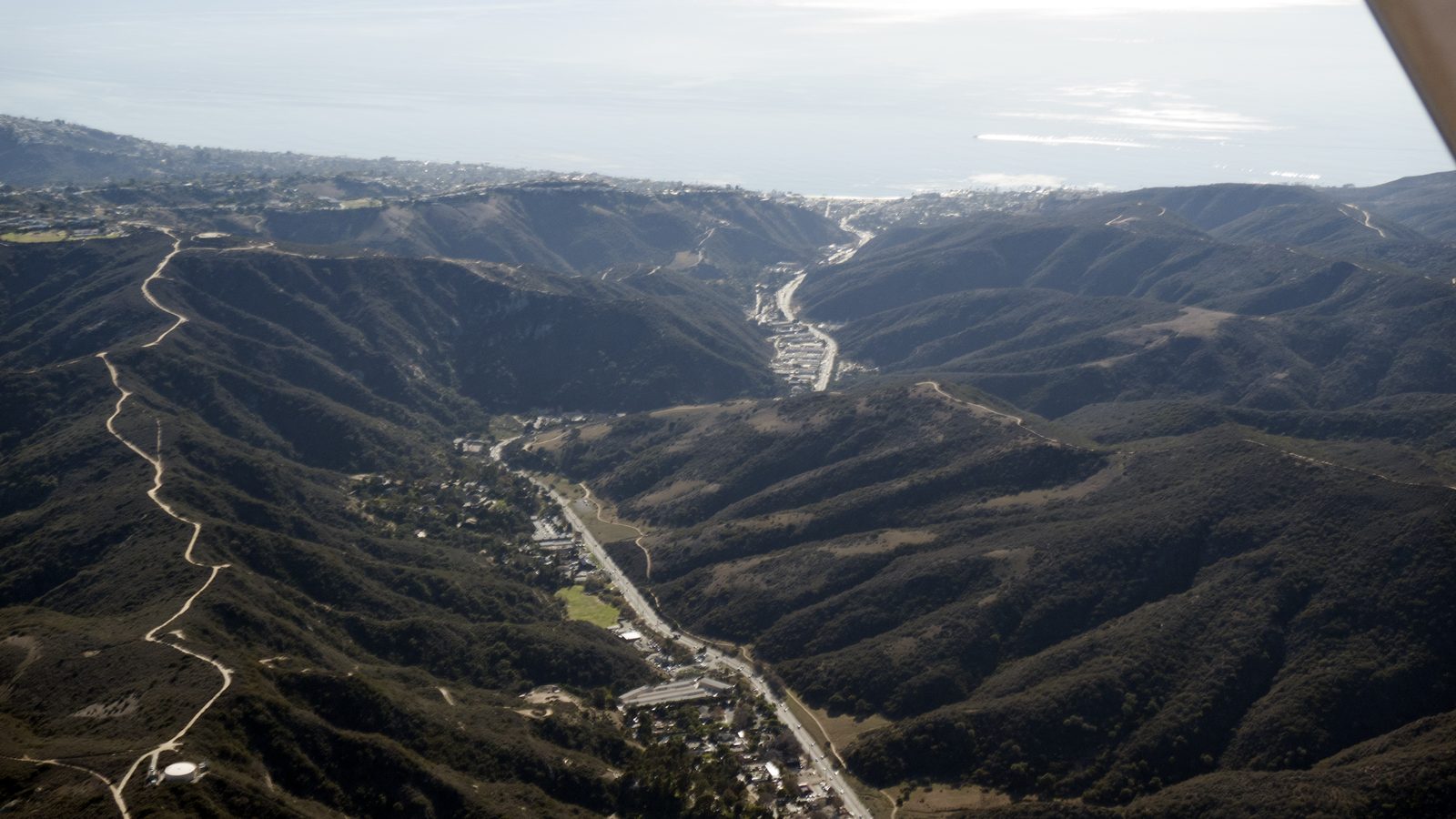
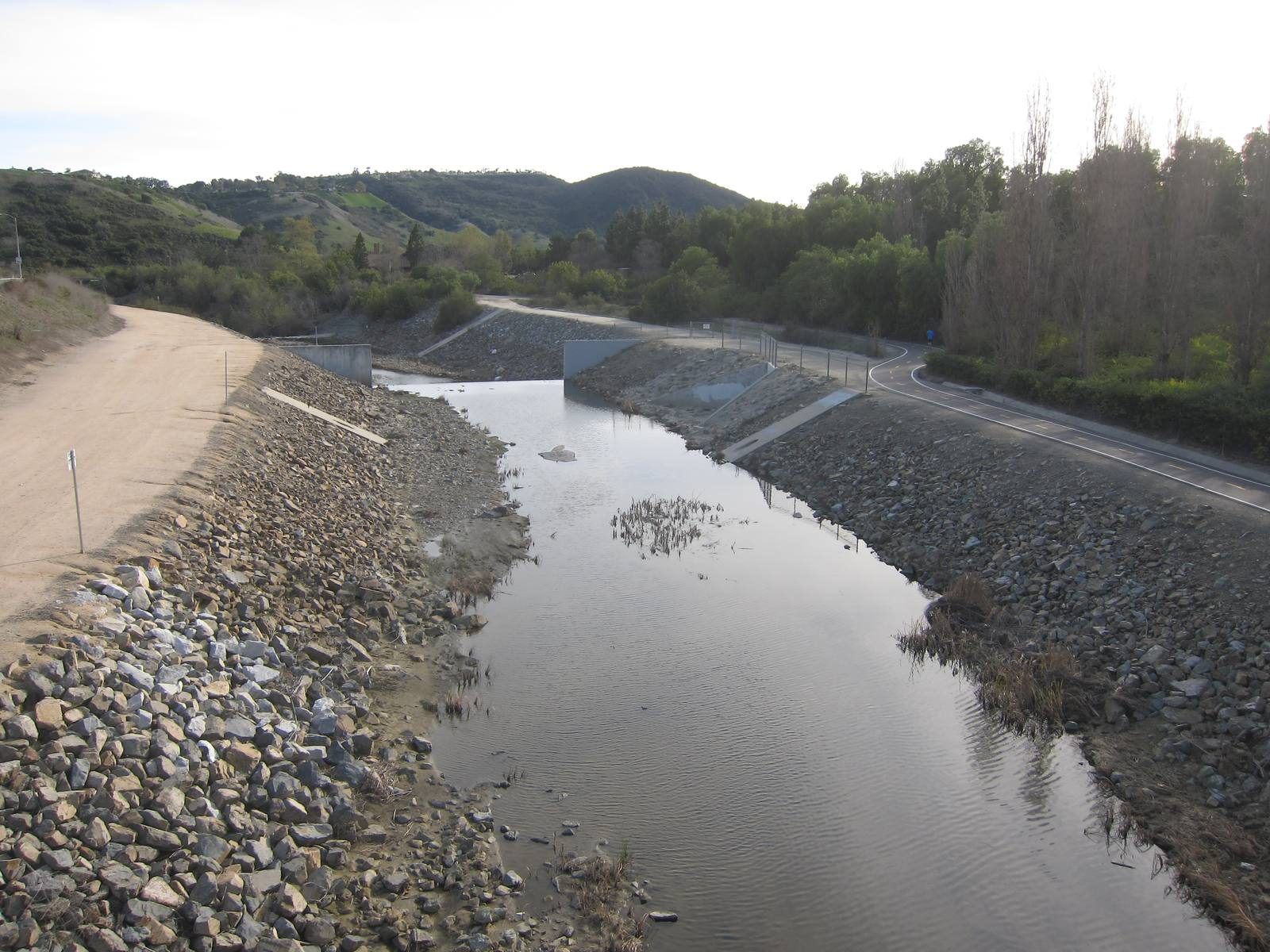
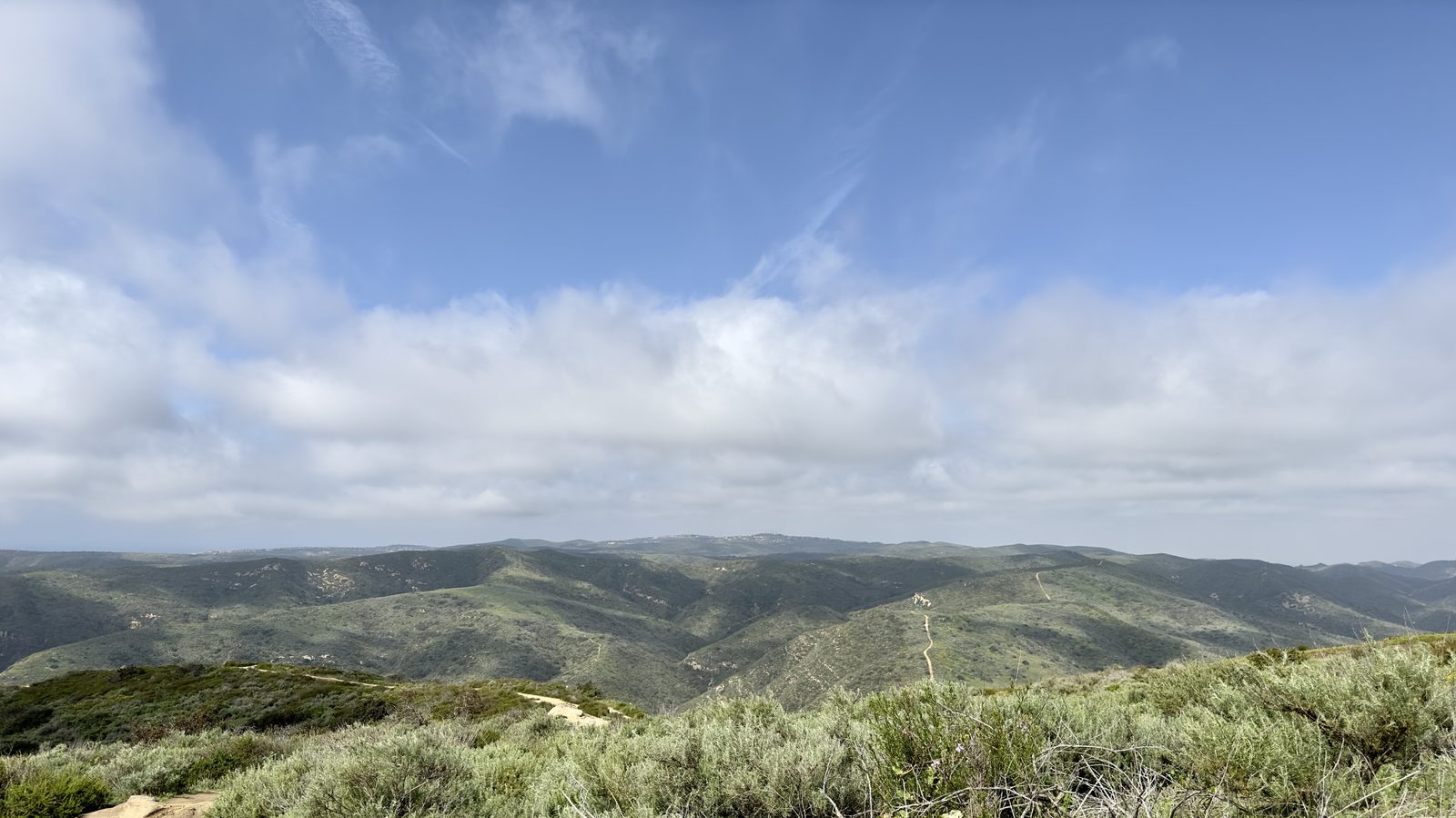
The city's vegetation management rests on four practices: weed abatement, fuel modification for new development, defensible space, and fuel break construction and maintenance. Weed abatement runs each spring in the developed part of the city under Ordinance 1510. Fuel breaks protect the inland side of the city near open space and many interior canyon areas, are maintained by goat grazing and hand crews, and are now being expanded into South Laguna, Park Avenue, and lower Bluebird Canyon.
The Fire Department offers free wildfire consultations to any property owner in the city, and residents can request a site visit to learn what their own parcel needs. With red flag season at hand and the bulk of the city's buildable land in the hazard zone, the plan's message is consistent: the work is year-round, the inspections start in May, and the first five feet around the house is where it starts.
We correct errors promptly and note them here. Send corrections through our contact form (choose the Correction topic).