The Aliso Creek Estuary Review Is On: What the $20 Million EIR Will Study
The city filed its Notice of Preparation in January, launching formal environmental review of the Laguna Ocean Foundation plan to restore 9 acres at the creek mouth.
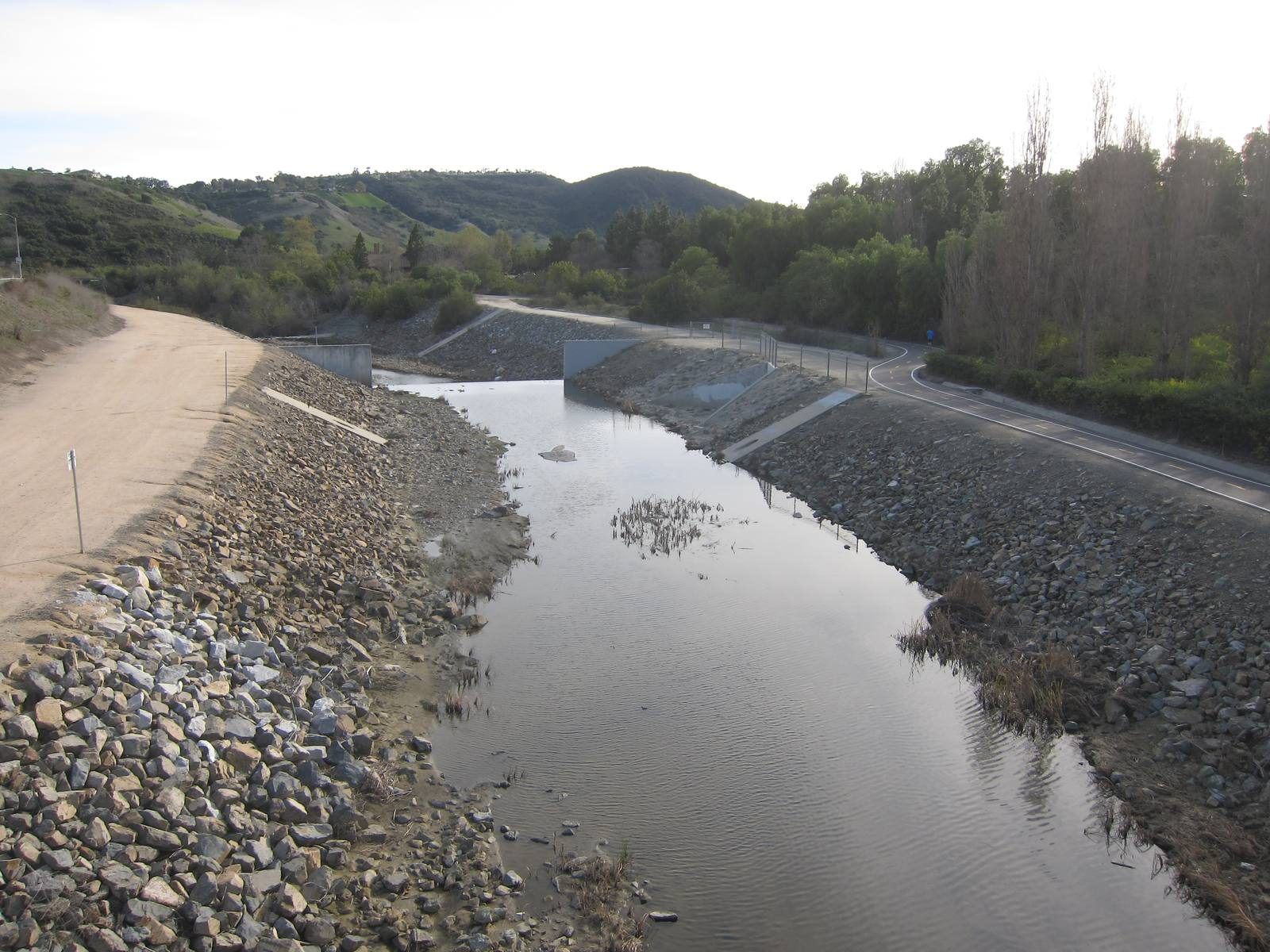
The most ambitious coastal restoration ever proposed in Laguna Beach has entered its formal environmental review. The city filed a Notice of Preparation for the Aliso Creek Estuary Restoration Plan on January 15, 2026, opening the California Environmental Quality Act process on the Laguna Ocean Foundation's proposal to bring 9 acres of degraded marsh at the mouth of Aliso Creek back to life.
The move follows a December 10, 2025 council vote to initiate the CEQA review and contract with consultant Rincon to prepare the environmental impact report, with the city contributing $117,000 toward the study. Staff emphasized that the step is strictly analytical: it does not commit the city to construction or to funding the full project, estimated at more than $20 million, a majority of which officials say has already been raised from grantors and donors.
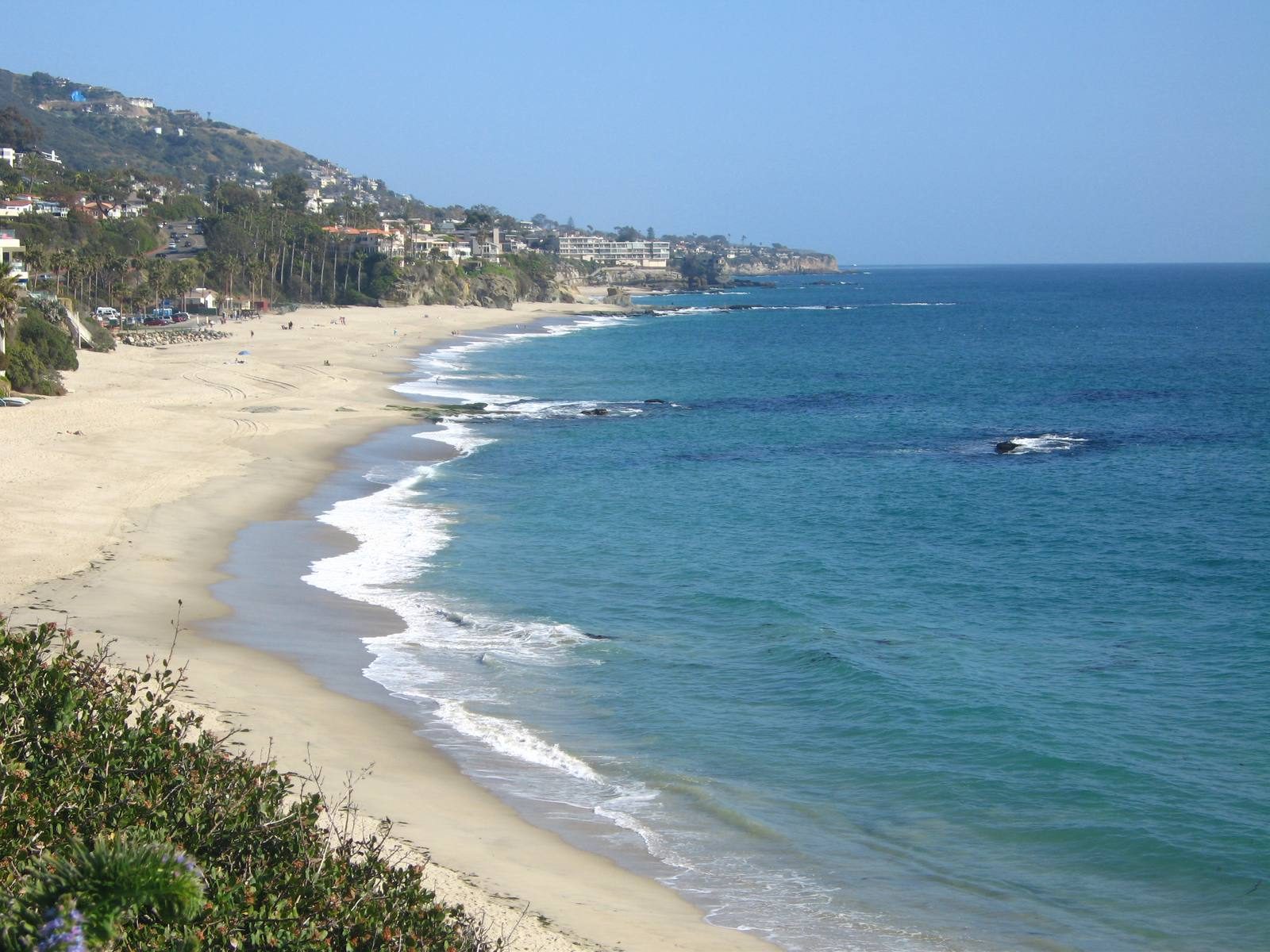
The proposal, branded 'Bring the Lagoon Back to Laguna,' would restore the estuary by removing artificial fill, widening the channelized watercourse, creating new functional wetland habitats and improving water quality, returning the lagoon to its natural 'intermittently open' condition. The plan is divided into three phases: an estuary lagoon expansion and restoration, reducing the estuary mouth breach, and reducing dry-weather flow, which benefits water quality. The project site sits between Country Club Drive and South Coast Highway, entirely within the Coastal Zone.
The scope of the environmental study is the story for South Laguna residents. The city's Initial Study identifies the EIR's central technical questions: how the project would change the hydromorphology of the estuary and affect the frequency and duration of the mouth opening, addressed through hydrodynamic modeling and a 100-year floodplain analysis. A separate Coastal Processes and Sea Level Rise Study, drawing on regionally specific sea level rise modeling data, will feed the analysis of long-term sea level rise effects on the restoration and on the beach itself.
Other issues already on the table include flooding in the area, sand movement, public access, construction noise near homes on Monterey Street and the impact of mosquitoes. Beyond the environmental analysis, the restoration plan proposes new public amenities: an interpretive loop trail with seating and viewing areas, a pedestrian bridge over the restored wetland, an overlook for guided educational visits and a multimodal mobility hub, with the demolition of the existing beach overflow parking lot and reconstruction of the play area and tot lot.
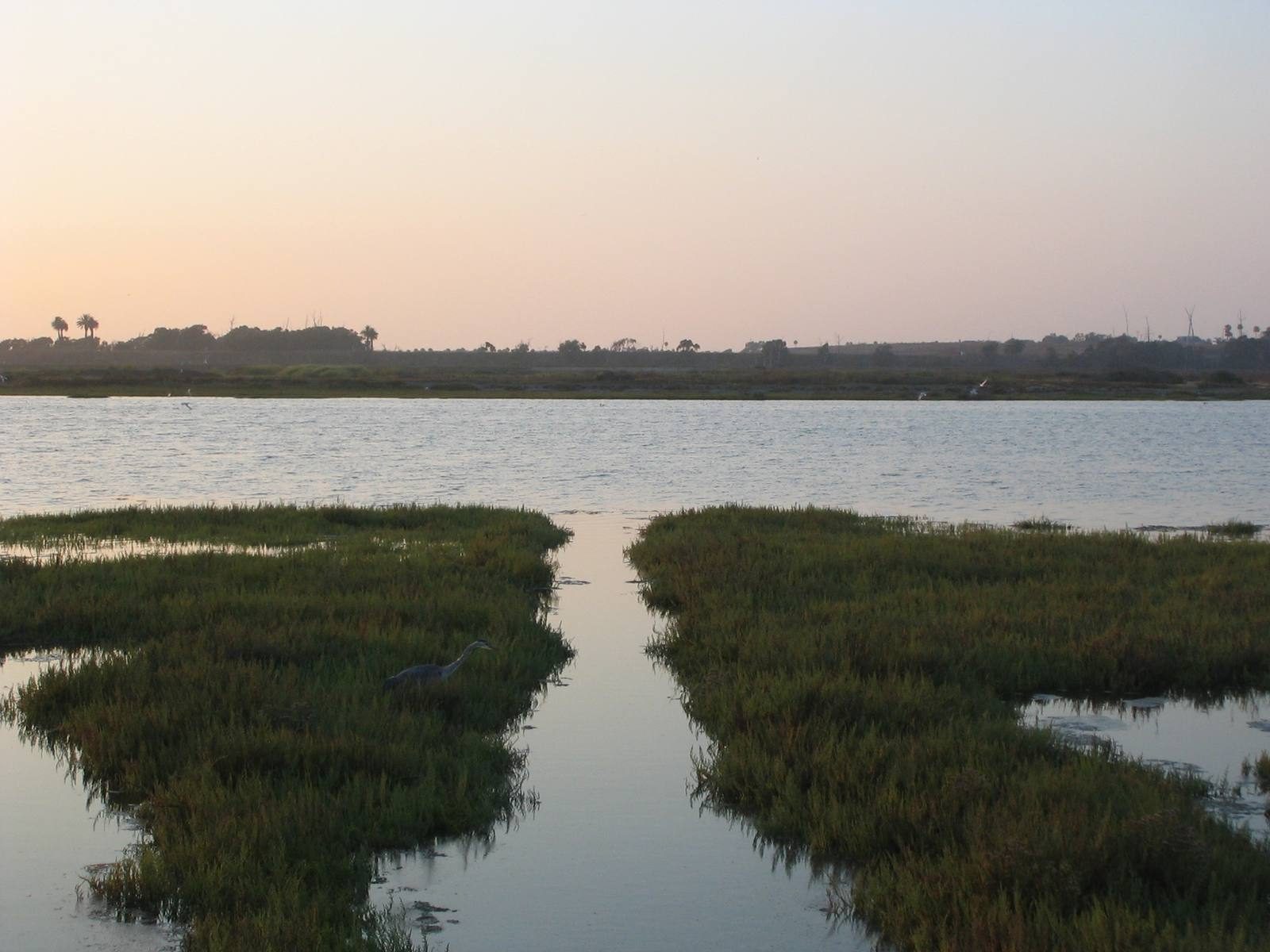
The stakes go beyond the nine acres. The estuary is the only site on the Orange County coast that, once restored, would provide a habitat link between the Laguna Greenbelt and the Laguna Bluebelt marine protected area system. 'There's been a tremendous amount of investment so far,' Councilmember Bob Whalen said when the council moved the study forward. 'This will give us the analysis we need. Even if we don't do a project or a scaled-down project, it will integrate all the technical studies and peer reviews and give us options for the future.'
Foundation vice-chair and program manager Ed Almanza has called the area 'a tremendous natural resource of regional importance,' arguing that habitat loss has left it with little value except as a source of polluted water. The city's schedule at the launch of the review called for a public draft of the EIR by the end of April, followed by a 45-day public comment period and a possible Planning Commission appearance in early August. The city, which took oversight of Aliso Beach from the county in 2023, serves as lead agency on the study.
We correct errors promptly and note them here. Send corrections through our contact form (choose the Correction topic).